We all know that the right equipment and supplies are necessary for a creative project, but getting good at using those supplies is a matter of practice, experience, and deliberate trial and error. Fabric, paper, and wood demand the same learning techniques, deliberate practice, and evaluative review as any other skill, so here are some ways to practice working with those materials, develop creative routines and increase the productivity of your work.
Acquiring Skills
Skills are the basis of creativity. Even with the best ideas, it is hard to create something if you don’t have good grasp of the fundamentals. Skill development helps you to:
Become comfortable working with different materials
Fix things fast as you make things
Turning visions into realities
Use as a stepping stone for larger, more autonomous works
It’s better to be patient when it comes to developing your skills. In that way, your progress will be more permanent.
Ways to Provide Hands-on Experience
Nothing develops mastery like hands-on practical work. There’s no theoretical equivalent to handling materials.
“Focused practice” means that you focus on one skill or technique at a time. That means folding papers in origami, sewing straight lines in sewing, and cutting straight lines in woodworking. This allows you to repeat the actions multiple times and figure out how the paper or fabric or wood reacts.
Small, Manageable Projects Start with simple projects that are quick and easy to do. Working on a small, contained project allows you to tinker and take risks without worrying about messing up a larger or more complicated project.
Consistent Practice Schedule: Allocate a daily time to practice with the materials. Even short but frequent practice sessions helps a great deal in remembering techniques and acquiring a better understanding of the material.
Trial and Error
Curiosity and experimentation are crucial in the creative journey. They allow you to explore and invent new ways of doing things, and through experimentation, you learn the physical properties of a material.
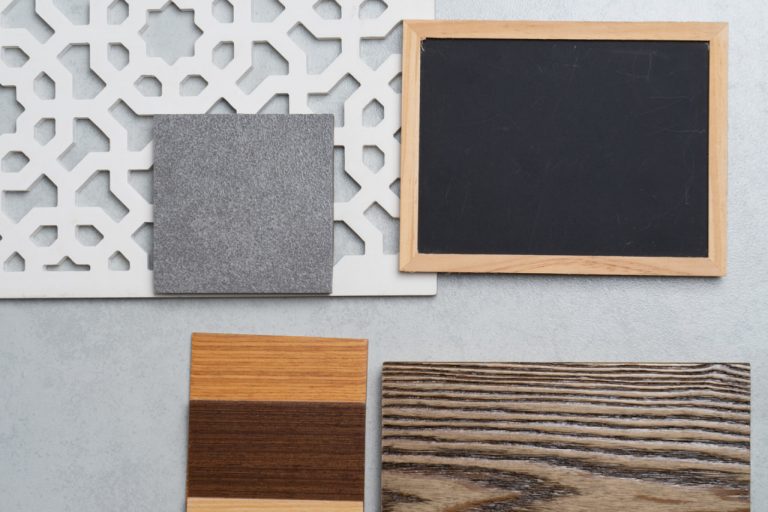
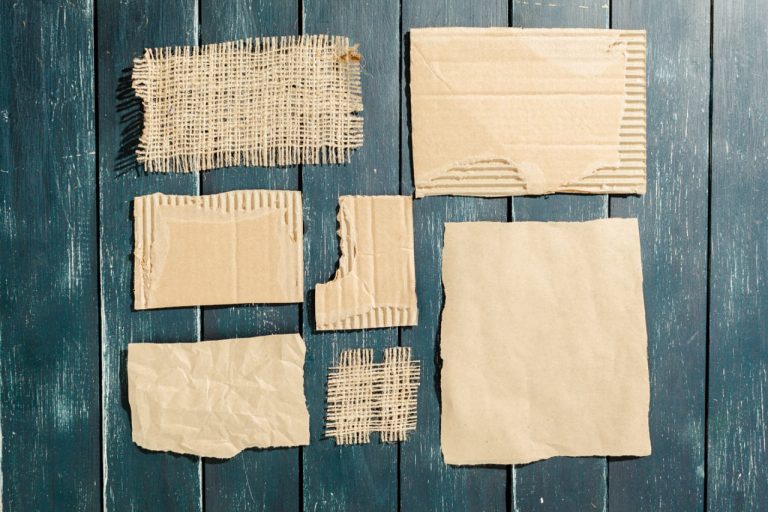
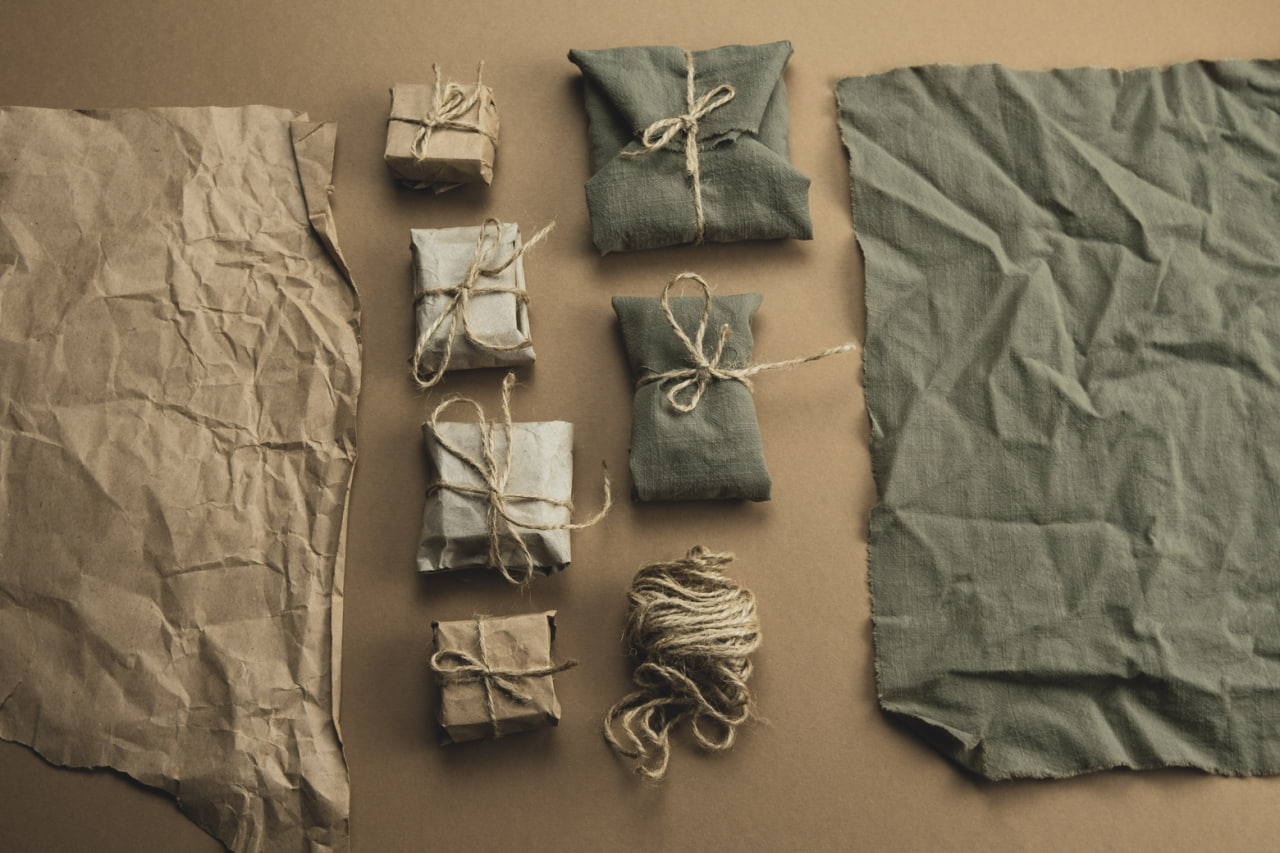
Testing Materials: Always test methods and techniques on small samples of your materials before beginning a project. See how different fabrics will drape, how paper will crease and fold, and how wood will react to sanding and cutting. This will avoid errors and help in the long run.
Combining Techniques
Can you mix paper and fabric techniques or wood and textiles? By experimenting with different techniques, you develop your skills and learn to think outside the box.
The benefit of mistakes. Mistakes are a necessary part of the learning process. Reflect, rectify and restart — and you will develop the confidence and perseverance required of the creative process.
Cultivating Keen Observational Abilities
Observation is important in all creative endeavors. If you observe how things react when you do something to them, you can figure out potential problems before they arise.
Pay attention to how fabrics drape, rip, or keep their form
Compare the folding and layering properties of different thicknesses of paper
Look at the grain, the density and how the wood responds to your tools
Write down the results in a notebook so you can refer to them later
With experience, observation becomes second nature, guiding your actions in project situations.
Organizing Your Study
You improve faster with a system. When you structure your practice, techniques, and exercises, you can track your progress and keep yourself on track.
Decompose complex skills into simpler ones
Know what you want to accomplish in each practice
Switch between the different materials in order to achieve a range of skills.
Take time to review your performance after each session and determine what you need to work on
With structured learning, you’re more likely to make consistent progress without feeling too much information overload and have more room for creativity as you hone your skills.
Making Use of Learned Skills
Finally, skill mastery is used for creative purposes. With knowledge of materials and methods, one can explore, experiment, and create, without hesitation or doubt.
Apply learned techniques to novel, distinct projects
Figure out ways to overcome obstacles through creative uses of materials
Now that you have learned something, use it, but feel free to modify it to fit your needs.
Now, let’s try some of the more complex techniques
Skills and creativity are connected; the more you practice with intention, the better you’ll be able to implement your creativity.
Nurturing a Life-Long Artistic Path
This daily practice and daily reflection will give you long-term confidence in your creative abilities. You will start to realize that those things you are afraid to tackle are very much achievable once you have mastered certain skills. You will start to have faith in your abilities, be willing to take risks and will actually create with a purpose. This is how you will keep pushing yourself to learn, master and create.